













Hay fever (allergic rhinitis) is an allergy of the nasal mucosa, usually to pollen, house dust mites, animal hair or mould spores. Typical symptoms are Sneezing fits, runny or blocked nose, itchy nose and eyes and watery eyes.
Both the common cold and hay fever affect the upper respiratory tract and can feel similar, but are very different.
| Feature | Hay fever / allergy | Cold |
|---|---|---|
| Trigger | Allergens (pollen, mites, animal hair) | Viruses |
| Start | Suddenly, often within minutes | Gradually over 1-2 days |
| Duration | Weeks, as long as allergen contact | Usually 7-10 days |
| Itching | Strong: nose, eyes, possibly palate | Hardly any itching |
| Nasal secretion | Clear, thin, „like water“ | Rather tough, turns yellowish later |
| Fever & aching limbs | Rare, no fever | Frequently mild infection with feeling ill |
| Contagion | Not contagious | Contagious (droplets) |
Table: Typical differences between allergies and colds
What is particularly striking about allergies is severe itching and recurring symptoms in certain situations (e.g. only in spring, only in contact with animals).
If you are unsure - come to the Hasen Apotheke once more. We will be happy to help you with the correct categorisation!
In stock
13,49 € 1 View ItemIn stock
12,19 € 1 View Item1 Prices incl. VAT plus VAT if applicable. Shipping
The most important basic measure is to reduce contact with the triggers:
In studies, such strategies helped to reduce hay fever symptoms and upper respiratory tract infections.
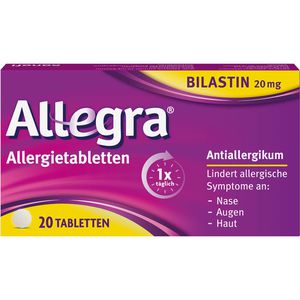
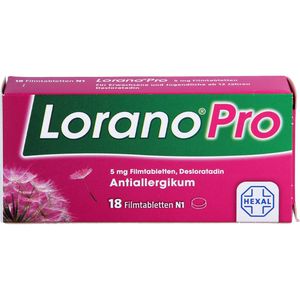
Histamine is the messenger substance that triggers itching, sneezing and a runny nose in hay fever sufferers. Antihistamines block this effect and are therefore a cornerstone of the treatment.
At the Hasen Apotheke pharmacy, we look together to see which preparation suits your symptoms, your everyday life (e.g. driving, shift work) and any pre-existing conditions.
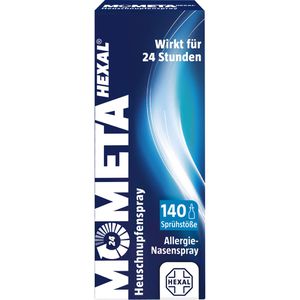
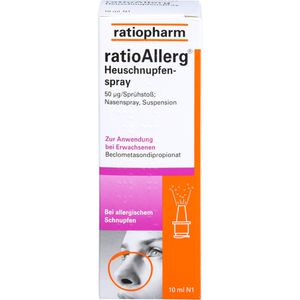
There are different nasal sprays that are used for allergies:
Which option makes sense for you depends on the severity and type of symptoms - we will be happy to advise you personally.
In stock
21,99 € 1 View ItemIn stock
15,99 € 1 View Item1 Prices incl. VAT plus VAT if applicable. Shipping
Allergic conjunctivitis („red, itchy, watery eyes“) is very common with hay fever.
Here at the Hasen Apotheke you get:
Many sufferers benefit from the combination: tablet + eye drops + nasal spray, depending on the symptoms.
We can do a lot from the pharmacy, but sometimes medical clarification is important, for example if:
In stock
18,49 € 1 View ItemIn stock
11,99 € 1 View Item1 Prices incl. VAT plus VAT if applicable. Shipping
Studies show that many people suffer from hay fever insufficient treatment and often choose medications „at random“. Advice programmes carried out in pharmacies have been able to improve the symptoms and quality of life of those affected, particularly through better choice of medication, correct use and tips on prevention.
In the Hasen Apotheke you get:
If you're unsure whether it's really hay fever or „just“ a cold - just drop by. Together we'll find out what's behind it and put together your own personal hay fever strategy.